Atlanta, GA
Construction Tips & Design Insights
Cost to Fix a Bowing Basement Wall in Atlanta
Understanding What You’re Really Paying For
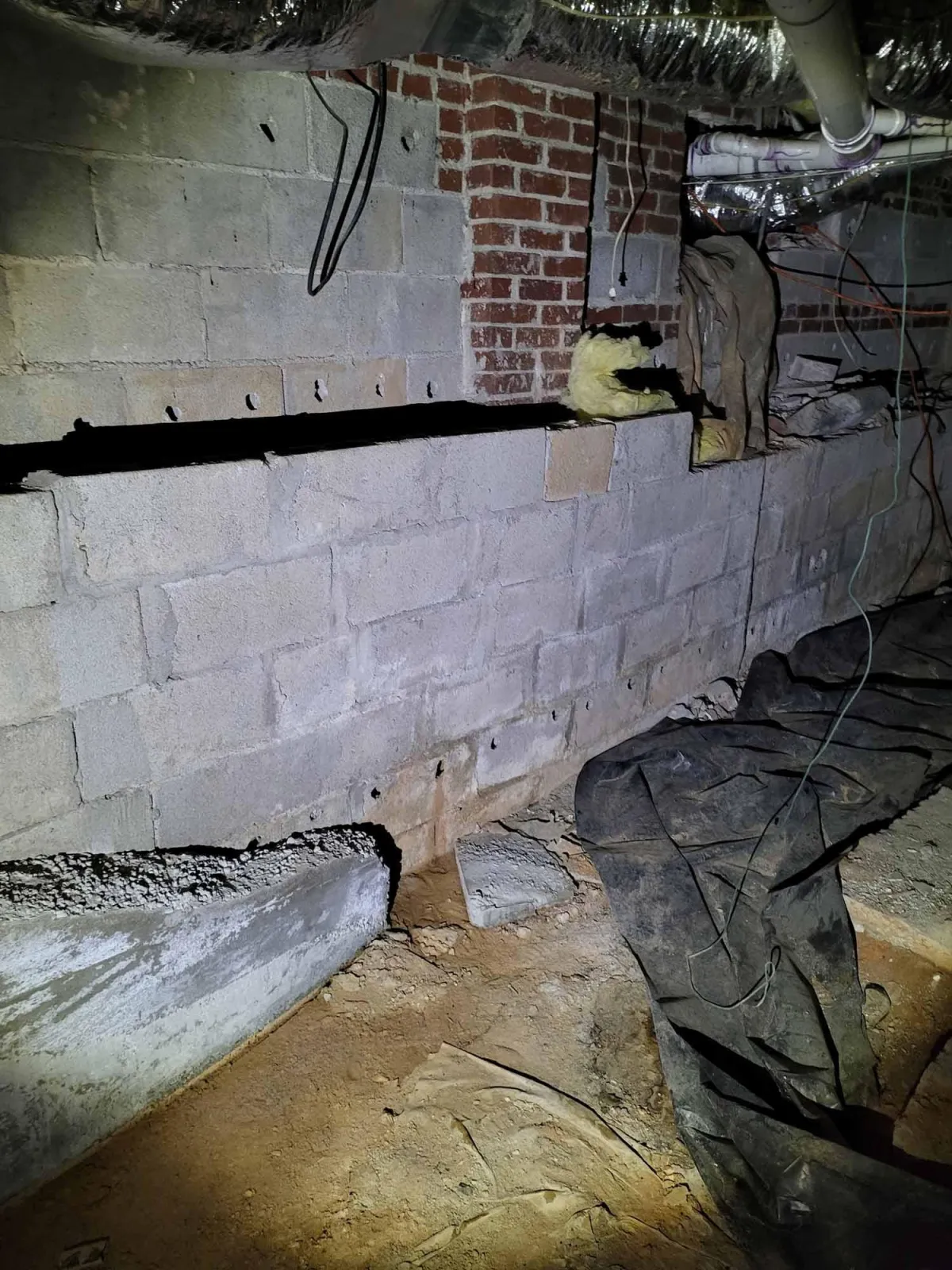
When a basement wall starts leaning inward, the cost question is really about structural stabilization. Homeowners in Atlanta, Georgia are not paying to “patch a crack.” They are paying to stop soil pressure from pushing the wall further out of alignment.
A bowing wall is a structural condition. The price depends on how far the wall has moved, what caused it, and which stabilization system is required.
In Atlanta, expansive clay soil and seasonal rainfall patterns often contribute to lateral pressure. That means repair costs are tied not just to the wall itself, but to the surrounding soil conditions.
Average Cost to Fix a Bowing Basement Wall in Atlanta, Georgia
The cost varies depending on the severity of movement and the repair method selected.
The table below outlines typical stabilization methods and their cost ranges in the Atlanta market.
These ranges reflect structural repair, not cosmetic patchwork.
Cost Based on Severity of Wall Movement
The amount of inward deflection strongly influences pricing. Bowing is generally categorized by degree of movement.
Minor Bowing (Less Than 1 Inch)
Minor deflection often includes small horizontal cracks and slight inward curvature.
This level typically requires:
Carbon fiber reinforcement straps
Limited interior stabilization
Cost range in Atlanta: Lower tier of pricing.
Moderate Bowing (1–2 Inches)
At this stage, the wall may show visible curvature and widening horizontal cracks.
Common repair methods include:
Wall anchors
Interior steel beam systems
Cost range in Atlanta: Mid-tier structural investment.
Severe Bowing (More Than 2 Inches)
Severe deflection indicates significant soil pressure and structural stress.
Repairs may involve:
Multiple wall anchors
Exterior excavation to relieve pressure
Combined structural reinforcement and drainage correction
Cost range in Atlanta: Upper-tier structural repair range.
What Drives the Price Up or Down?
Several factors influence the total repair cost.
The following variables commonly affect pricing:
Length of the affected wall
Type of foundation (block vs. poured concrete)
Soil conditions around the home
Accessibility of the exterior foundation
Need for drainage correction
In Atlanta, Georgia, clay soil saturation often increases hydrostatic pressure, making drainage improvements part of the overall solution.
Comparing Stabilization Options
Different repair systems serve different structural needs. Understanding their purpose helps explain cost differences.
Carbon fiber reinforcement prevents further inward movement but does not straighten the wall.
Steel beam systems provide rigid interior support against continued soil pressure.
Wall anchors apply counter-pressure and can gradually correct wall alignment.
Exterior excavation removes soil pressure at the source and allows membrane waterproofing installation.
Each option addresses a different level of wall stress.
The Repair Decision Process
Determining the appropriate solution typically follows a structured evaluation.
Measure the degree of inward movement.
Inspect for horizontal cracking patterns.
Evaluate exterior grading and drainage.
Determine soil saturation levels.
Select reinforcement or pressure relief strategy.
In Atlanta, where seasonal rainfall cycles increase soil expansion, both structural reinforcement and drainage management are often considered together.
When Bowing Becomes Urgent
Certain signs indicate the need for immediate structural evaluation.
Wall movement continues to increase.
Cracks widen noticeably over time.
Floor joists begin separating from the wall.
Water enters through crack lines.
Blocks begin crumbling or shifting.
Delaying stabilization can increase long-term repair costs if deflection progresses.
Is Fixing a Bowing Basement Wall Worth the Cost?
Structural stabilization protects more than the wall itself. It preserves:
The load-bearing integrity of the foundation
The structural alignment of upper floors
The value of the home
Long-term moisture control
In Atlanta, Georgia, clay soil pressure does not resolve on its own. Without reinforcement or pressure relief, inward movement can continue.
Frequently Asked Questions
How much does it cost to fix a bowing basement wall in Atlanta?
Most homeowners spend between $3,000 and $12,000 depending on severity and repair method.
Can a bowing wall be straightened?
In some cases, wall anchors can gradually improve alignment, but many systems are designed to stabilize rather than fully straighten.
Is bowing covered by homeowners insurance?
Gradual soil pressure damage is typically not covered, though policy details vary.
Does drainage repair reduce cost?
Improving drainage may prevent further pressure but does not replace structural reinforcement if movement has already occurred.
Will a bowing wall collapse?
Severe untreated bowing can compromise structural integrity, which is why early correction is recommended.
Conclusion
The cost to fix a bowing basement wall depends on how far the wall has moved and how much soil pressure it is resisting. In Atlanta, Georgia, expansive clay soil and seasonal moisture shifts are common contributors to inward wall deflection.
Minor movement may require reinforcement, while more severe deflection may require anchors or excavation combined with drainage correction. The key factor is stopping continued pressure before structural damage worsens.
Homeowners noticing horizontal cracks or inward curvature benefit from professional evaluation to determine the correct stabilization method. Atlanta Foundation Repair works with local soil and pressure conditions regularly, helping homeowners choose the appropriate structural solution before wall movement progresses further.

Our Services
Helpful Links
Contact Information
Phone:
Business Hours:
Mon - Fri: 8:00 am - 5:00 pm
Sat - Sun : Closed
service areas
© 2025 All Rights Reserved | Atlanta Foundation Repair | Privacy Policy | Terms and Conditions
Website Done By: LocalEyes