Atlanta, GA
Construction Tips & Design Insights
Crawlspace Encapsulation Cost in Georgia
Crawlspace Encapsulation Is More Than a Moisture Fix
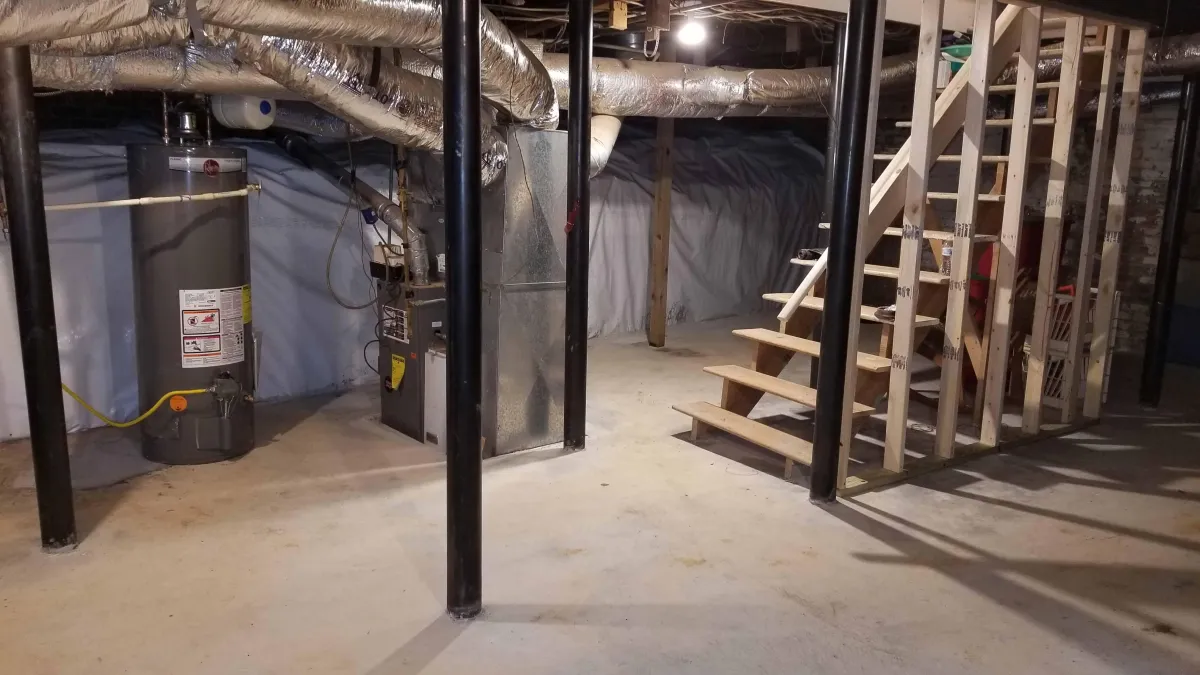
Crawlspace encapsulation is a system designed to control moisture, improve indoor air quality, and protect the structural components of a home from long-term water damage. In Georgia, where humidity levels are high and soil moisture fluctuates seasonally, crawlspaces are especially prone to dampness, mold growth, and wood deterioration.
When homeowners ask about the cost of crawlspace encapsulation, they aren’t just budgeting for a vapor barrier — they’re trying to understand the total investment required to create a dry, controlled space beneath the entire house.
This blog breaks down typical costs in Georgia, what influences pricing, and how to evaluate whether encapsulation is the right long-term solution for your home.
Average Crawlspace Encapsulation Cost in Georgia
Crawlspace encapsulation costs can vary significantly based on the size of the space, existing moisture issues, accessibility, and the products used (such as vapor barrier thickness and sealing materials). In Georgia, the range typically falls between:
These figures reflect real-world investments for homes with crawlspaces in the state.
What Crawlspace Encapsulation Includes
Crawlspace encapsulation is not a single product. It is a coordinated system of materials and methods installed to create a dry, sealed environment.
A fully encapsulated crawlspace typically includes the following elements:
Sealing of vents and openings to prevent moist outdoor air from entering
Heavy-duty vapor barrier installed on walls and the ground to prevent moisture migration
Sealing around piers, columns, and block joints to create a continuous barrier
Interior drainage system (if needed) to collect and redirect water
Dehumidifier installation to control humidity in humid climates
The inclusion or exclusion of these components influences the total cost. For example, homes with frequent water intrusion may require interior drainage systems and a commercial-grade dehumidifier, increasing pricing.
Factors That Influence Crawlspace Encapsulation Cost
Several key variables affect the total investment required.
Size of the Crawlspace
Encapsulation is typically priced by square footage. Larger crawlspaces require more material and labor.
Moisture Conditions at the Time of Service
Crawlspaces with standing water, excessive mold, or soil erosion require additional moisture mitigation work prior to encapsulation.
Accessibility
If a crawlspace has limited access or obstacles (ductwork, low clearance), installation becomes more labor-intensive.
Barrier Thickness and Material Quality
Higher-grade vapor barriers (e.g., 20-mil or greater) cost more than basic plastic sheets but offer superior long-term performance.
Additional Systems
Adding drainage and dehumidifiers increases upfront cost but can significantly improve long-term moisture control in humid Georgia conditions.
These factors combined contribute to why two homes with similar square footage may have different encapsulation costs.
Crawlspace Encapsulation vs. Basic Moisture Control
Understanding the difference between full encapsulation and basic moisture control helps explain cost variation.
Basic Moisture Control
Basic moisture management may include:
Installing vapor barrier only on dirt floor
Minor vent sealing
Basic grading adjustments outside the home
This approach can delay moisture issues but often does not provide long-term control in humid climates.
Full Encapsulation System
A full encapsulation system includes:
Continuous wall and floor vapor barrier
Full sealing of all openings
Interior drainage installation if necessary
Dehumidifier installation
Because it creates a controlled environment beneath the home, full encapsulation typically provides better long-term protection — especially in Georgia’s climate.
Crawlspace Encapsulation and Home Value
Encapsulation has benefits beyond moisture control. A properly encapsulated crawlspace can:
Protect structural wood components from rot
Reduce indoor humidity levels
Improve HVAC efficiency
Reduce the risk of mold growth
Improve indoor air quality
These performance improvements may contribute to long-term home comfort and durability, even though the upfront cost is higher than basic moisture mitigation.
How to Evaluate Whether Encapsulation Is Worth It
Walk through the following decision steps to determine if encapsulation is right for your home.
Assess Crawlspace Conditions: Look for standing water, soil moisture, mold, or musty odors.
Check Humidity Inside the Home: High humidity levels on lower floors often indicate crawlspace moisture issues.
Consider Structural Symptoms: Sagging floor joists or wood rot near piers suggests long-term moisture exposure.
Consult a Professional Evaluation: A crawlspace specialist can measure humidity and soil moisture and recommend appropriate solutions.
This sequence helps distinguish whether basic moisture control will suffice or whether full encapsulation is a better investment.
Frequently Asked Questions
How much does crawlspace encapsulation cost in Georgia?
The typical range is $4,000 to $15,000+ depending on size, moisture conditions, and whether drainage and dehumidification are included.
Is crawlspace encapsulation worth it in humid climates?
Yes. In Georgia’s humidity, full encapsulation improves indoor air quality and protects structural framing over time.
Will encapsulation reduce energy bills?
Encapsulation can help stabilize crawlspace humidity, which may reduce HVAC load and improve efficiency.
How long does crawlspace encapsulation last?
When properly installed with quality materials, encapsulation systems can last many years with minimal maintenance.
Does homeowners insurance cover crawlspace encapsulation?
Most policies do not cover moisture control improvements, but individual policy details vary.
Conclusion
Crawlspace encapsulation in Georgia is an investment in long-term moisture control, structural protection, and indoor environmental quality. Costs vary based on crawlspace size, existing moisture conditions, accessibility, and whether additional systems like drainage and dehumidification are included.
Homes with persistent dampness, mold issues, or humidity-related discomfort are often the ones that benefit most from full crawlspace encapsulation.
Homeowners in Georgia who want to protect their home’s foundation and indoor air quality benefit from early evaluation. Atlanta Foundation Repair works with local soil and moisture behavior regularly, helping homeowners determine whether basic moisture mitigation or full crawlspace encapsulation is the right solution for their home.

Our Services
Helpful Links
Contact Information
Phone:
Business Hours:
Mon - Fri: 8:00 am - 5:00 pm
Sat - Sun : Closed
service areas
© 2025 All Rights Reserved | Atlanta Foundation Repair | Privacy Policy | Terms and Conditions
Website Done By: LocalEyes