Atlanta, GA
Construction Tips & Design Insights
What Are Signs of a Sinking Foundation?
Settlement Is a Structural Shift — Not Just a Crack
A sinking foundation rarely begins with dramatic failure. In many Atlanta, Georgia homes, settlement starts subtly. A door sticks. A small crack appears above a window. Floors feel slightly uneven.
Foundation settlement occurs when the soil beneath one portion of the home can no longer support the structure evenly. In Atlanta, expansive clay soil expands when wet and contracts when dry. That constant seasonal movement can create uneven support zones beneath the foundation.
The key is recognizing patterns early, before minor shifts turn into structural stress.
Interior Signs That Suggest Uneven Support
When settlement begins, interior symptoms often appear first because framing shifts before exterior damage becomes obvious.
Door and Window Misalignment
Doors that rub, refuse to latch, or swing open on their own often indicate that the frame is no longer square. That misalignment frequently traces back to foundation movement.
Drywall and Ceiling Cracks
Settlement cracks commonly form above doorways, near window corners, or where walls meet ceilings. These cracks often widen over time rather than remaining stable.
Sloping or Uneven Floors
If you notice that furniture tilts slightly or that walking across a room feels uneven, the foundation beneath that section may have dropped.
Trim and Cabinet Separation
Gaps between cabinets and walls or between molding and ceilings can signal vertical displacement in the structure below.
These interior changes typically worsen gradually, making progression an important indicator.
Exterior Warning Signs Around the Home
Outside the house, settlement often becomes visible in masonry and structural joints.
The most common exterior signs include:
Stair-step cracks in brickwork
Vertical cracks that widen at one end
Separation between chimney and main structure
Visible sinking at one corner of the foundation
Gaps forming around exterior window frames
In Atlanta, Georgia, clay soil contraction during dry seasons often causes soil to pull away from foundation edges, increasing stress and cracking.
How Settlement Progresses Over Time
Foundation sinking usually follows a predictable structural pattern.
Soil beneath part of the foundation compresses or shrinks.
That section of the structure drops slightly.
Load-bearing components redistribute weight.
Cracks form where stress concentrates.
Additional misalignment develops if support imbalance continues.
Because Atlanta’s soil shifts with moisture changes, this progression can accelerate during extended dry or wet periods.
When Settlement Becomes Structurally Serious
Certain conditions indicate that foundation movement has progressed beyond minor shifting.
The following red flags suggest urgent evaluation:
Cracks wider than one-quarter inch
Rapid crack growth within months
Significant floor slope across multiple rooms
Foundation corners visibly lower than surrounding areas
Structural framing separating from foundation walls
When these signs appear together, structural stabilization may be required.
Cosmetic Settling vs. Active Foundation Sinking
Not every crack indicates structural failure. Homes naturally settle slightly after construction. The difference lies in whether movement continues.
Cosmetic settling typically produces small cracks that remain stable over time. Active sinking produces widening cracks, increasing misalignment, and progressive floor slope.
In Atlanta’s clay-heavy soil conditions, recurring movement is more common when drainage and moisture control are inadequate.
Frequently Asked Questions
What is usually the first sign of a sinking foundation?
The earliest signs are often sticking doors or small cracks forming above door frames and windows.
Does clay soil cause foundations to sink in Atlanta?
Yes. Clay soil shrinks during dry periods and can create voids beneath the foundation, leading to settlement.
Are small cracks always a sign of sinking?
Not necessarily. Small hairline cracks can be cosmetic, but widening cracks combined with alignment issues suggest structural movement.
Can a sinking foundation be repaired permanently?
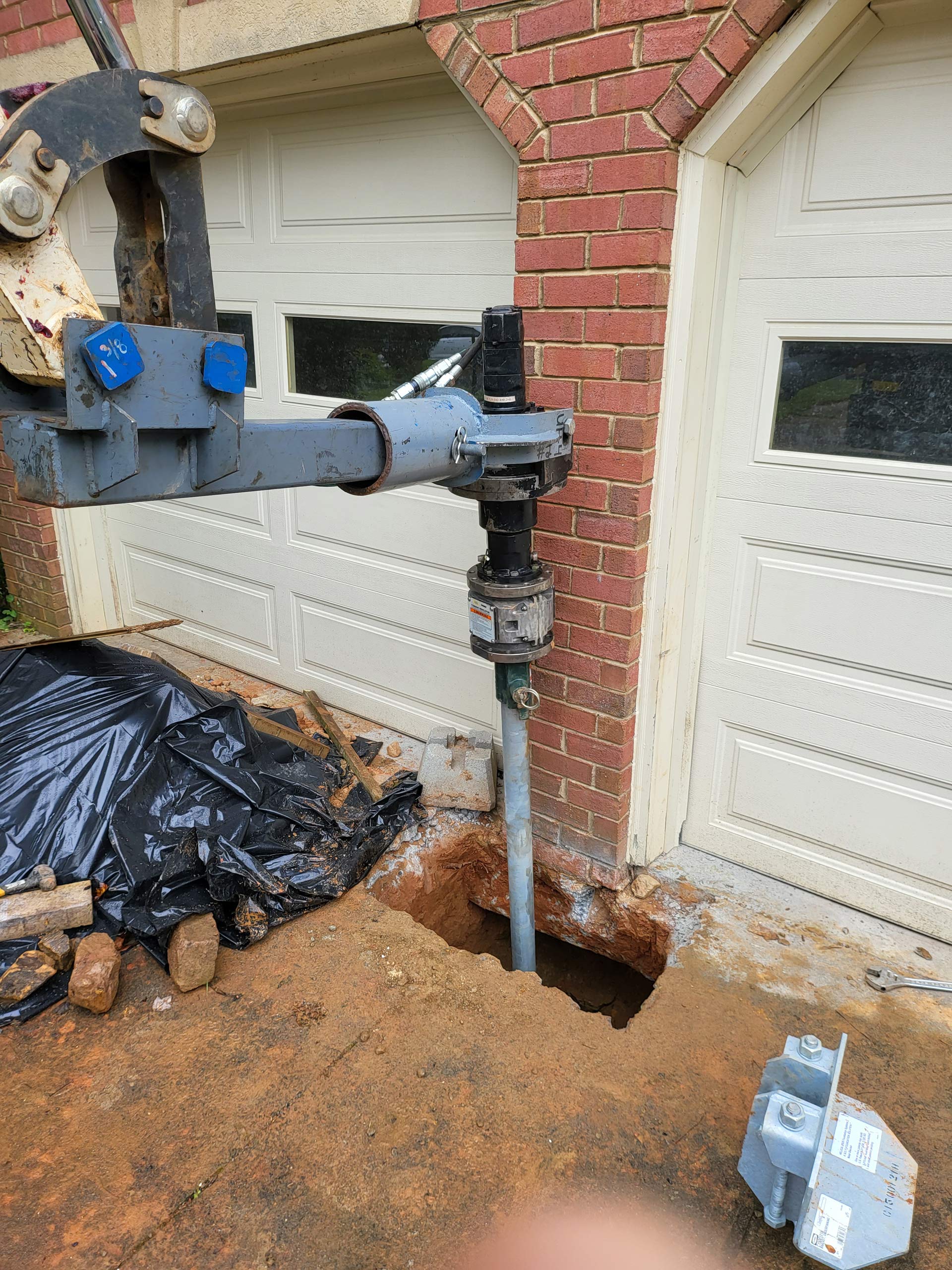
Yes. Stabilization systems such as helical or push piers are designed to transfer weight to deeper, stable soil layers.
How quickly can foundation settlement get worse?
Progression varies, but seasonal moisture shifts in Atlanta can accelerate movement once instability begins.
Conclusion
The signs of a sinking foundation often appear gradually: sticking doors, widening cracks, sloping floors, and structural gaps. In Atlanta, Georgia, expansive clay soil and seasonal moisture changes increase the likelihood of uneven settlement.
Recognizing multiple warning signs together is more important than focusing on a single crack. Early evaluation can prevent additional structural stress and more costly repairs.
Homeowners noticing progressive alignment changes benefit from professional assessment to determine whether stabilization is necessary. Atlanta Foundation Repair works with local soil behavior and foundation movement patterns regularly, helping homeowners identify whether minor settlement or active structural sinking is occurring before damage worsens.

Our Services
Helpful Links
Contact Information
Phone:
Business Hours:
Mon - Fri: 8:00 am - 5:00 pm
Sat - Sun : Closed
service areas
© 2025 All Rights Reserved | Atlanta Foundation Repair | Privacy Policy | Terms and Conditions
Website Done By: LocalEyes